All Projects
Rural Development
PANCHAYATI RAJ PROJECT
Uttarakhand Completed
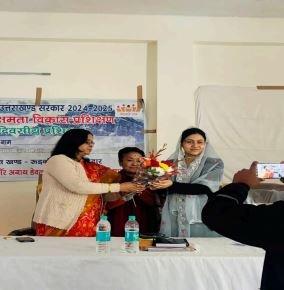
Empowering Rural Governance through Participatory Leadership.
About this project
Panchayati Raj Representatives Capacity Building Programme
Programme Introduction
The Panchayati Raj Representatives Capacity Building Programme was organized to strengthen the knowledge, leadership, and governance capabilities of elected Panchayat representatives. The programme was formally inaugurated at the block level by the District Development Officer (DDO), Assistant Development Officer (Panchayat), officials from Mission for Result Management & Welfare Society, and Master Trainers.
The training sessions welcomed all elected Panchayat representatives and were subsequently conducted across selected Nyaya Panchayats in the presence of government officials and observers, ensuring effective implementation and active participation.
Programme Purpose
The Rural Development Department of the Government of Uttarakhand regularly conducts capacity-building programmes to strengthen the functioning of Panchayati Raj Institutions. The primary objectives of the programme were to:
• Enhance the leadership, governance, and decision-making skills of Panchayat representatives.
• Improve awareness of their constitutional roles, responsibilities, and administrative functions.
• Enable representatives to effectively plan, implement, and monitor development activities within their respective Gram Panchayats.
• Promote participatory governance and encourage transparent, accountable, and inclusive local administration.
Training Objectives
The programme was designed to provide practical and experience-based learning that would strengthen local governance and sustainable rural development. The key objectives included:
• Building upon the previous experience and knowledge of Panchayat representatives.
• Assisting representatives in setting clear development priorities for their respective villages.
• Promoting discussions around the nine thematic areas aligned with the seventeen United Nations Sustainable Development Goals (SDGs).
• Providing comprehensive yet practical guidance for effective planning, implementation, and monitoring of local development initiatives.
Training Modules
The programme covered a wide range of governance and rural development topics, including:
• Uttarakhand Panchayati Raj Act, 2016 and Panchayati Raj Rules
• Right to Information (RTI) Act
• Right to Service Act
• Citizen Charter
• e-Gram Swaraj Portal
• Centrally Sponsored Schemes (CSS)
• State Government Development Schemes
• Panchayat Development Index (PDI)
• Other relevant governance, administrative, and rural development subjects
Programme Outcomes and Impact
The training programme resulted in significant improvements in the knowledge, confidence, and leadership capabilities of Panchayat representatives.
Key outcomes included:
• Women representatives actively participated in discussions and confidently expressed their views during the training sessions.
• Participants demonstrated increased self-confidence and a stronger understanding of their leadership roles.
• Panchayat representatives committed themselves to promoting inclusive and sustainable village development.
• Village-level action plans were developed with a strong focus on sanitation, cleanliness, and community welfare.
• Area Panchayat members shared practical experiences and exchanged successful development practices for mutual learning.
• Representatives from areas with limited institutional support also expressed a strong commitment to contributing towards local development.
• Participants emphasized the importance of practical, field-oriented training that could be effectively implemented and shared with other community members.
Overall Impact
The programme significantly enhanced the institutional capacity of Panchayati Raj representatives by strengthening their governance skills, promoting community participation, and improving their ability to plan and implement sustainable rural development initiatives. It also fostered transparency, accountability, and participatory decision-making, contributing to stronger and more effective local self-governance.
Programme Introduction
The Panchayati Raj Representatives Capacity Building Programme was organized to strengthen the knowledge, leadership, and governance capabilities of elected Panchayat representatives. The programme was formally inaugurated at the block level by the District Development Officer (DDO), Assistant Development Officer (Panchayat), officials from Mission for Result Management & Welfare Society, and Master Trainers.
The training sessions welcomed all elected Panchayat representatives and were subsequently conducted across selected Nyaya Panchayats in the presence of government officials and observers, ensuring effective implementation and active participation.
Programme Purpose
The Rural Development Department of the Government of Uttarakhand regularly conducts capacity-building programmes to strengthen the functioning of Panchayati Raj Institutions. The primary objectives of the programme were to:
• Enhance the leadership, governance, and decision-making skills of Panchayat representatives.
• Improve awareness of their constitutional roles, responsibilities, and administrative functions.
• Enable representatives to effectively plan, implement, and monitor development activities within their respective Gram Panchayats.
• Promote participatory governance and encourage transparent, accountable, and inclusive local administration.
Training Objectives
The programme was designed to provide practical and experience-based learning that would strengthen local governance and sustainable rural development. The key objectives included:
• Building upon the previous experience and knowledge of Panchayat representatives.
• Assisting representatives in setting clear development priorities for their respective villages.
• Promoting discussions around the nine thematic areas aligned with the seventeen United Nations Sustainable Development Goals (SDGs).
• Providing comprehensive yet practical guidance for effective planning, implementation, and monitoring of local development initiatives.
Training Modules
The programme covered a wide range of governance and rural development topics, including:
• Uttarakhand Panchayati Raj Act, 2016 and Panchayati Raj Rules
• Right to Information (RTI) Act
• Right to Service Act
• Citizen Charter
• e-Gram Swaraj Portal
• Centrally Sponsored Schemes (CSS)
• State Government Development Schemes
• Panchayat Development Index (PDI)
• Other relevant governance, administrative, and rural development subjects
Programme Outcomes and Impact
The training programme resulted in significant improvements in the knowledge, confidence, and leadership capabilities of Panchayat representatives.
Key outcomes included:
• Women representatives actively participated in discussions and confidently expressed their views during the training sessions.
• Participants demonstrated increased self-confidence and a stronger understanding of their leadership roles.
• Panchayat representatives committed themselves to promoting inclusive and sustainable village development.
• Village-level action plans were developed with a strong focus on sanitation, cleanliness, and community welfare.
• Area Panchayat members shared practical experiences and exchanged successful development practices for mutual learning.
• Representatives from areas with limited institutional support also expressed a strong commitment to contributing towards local development.
• Participants emphasized the importance of practical, field-oriented training that could be effectively implemented and shared with other community members.
Overall Impact
The programme significantly enhanced the institutional capacity of Panchayati Raj representatives by strengthening their governance skills, promoting community participation, and improving their ability to plan and implement sustainable rural development initiatives. It also fostered transparency, accountability, and participatory decision-making, contributing to stronger and more effective local self-governance.